
/--/uploads/2025/08/ls-challenges-of-a-cell-pt2.png)
Designing high-performance, risk-controlled, and scalable cell & gene supply chains with a digital twin
[PART 2] – Probabilistic simulations and digital twin for cell & gene supply chains
In the previous article of this series, we have illustrated the inherent complexity of cell and gene therapy (CGT) supply chains. While each CGT product has specific supply chain traits, multiple unknowns often interact in complicated ways.
The uncertainty stems from either:
- The lack of definitive information (e.g., treatment dose, product shelf-life & storage temperature), or
- The inherent variability of some features (e.g., cell viability or potency, manufacturing lead time & yield).
This makes it difficult to accurately determine the best operational strategy to yield the desired outcomes with adequate resilience, effectiveness, and profitability (Exhibit 1). Still, without a thorough understanding of their supply chain, managers can only hypothesize and empirically experiment on the field, which is inefficient and potentially disastrous.
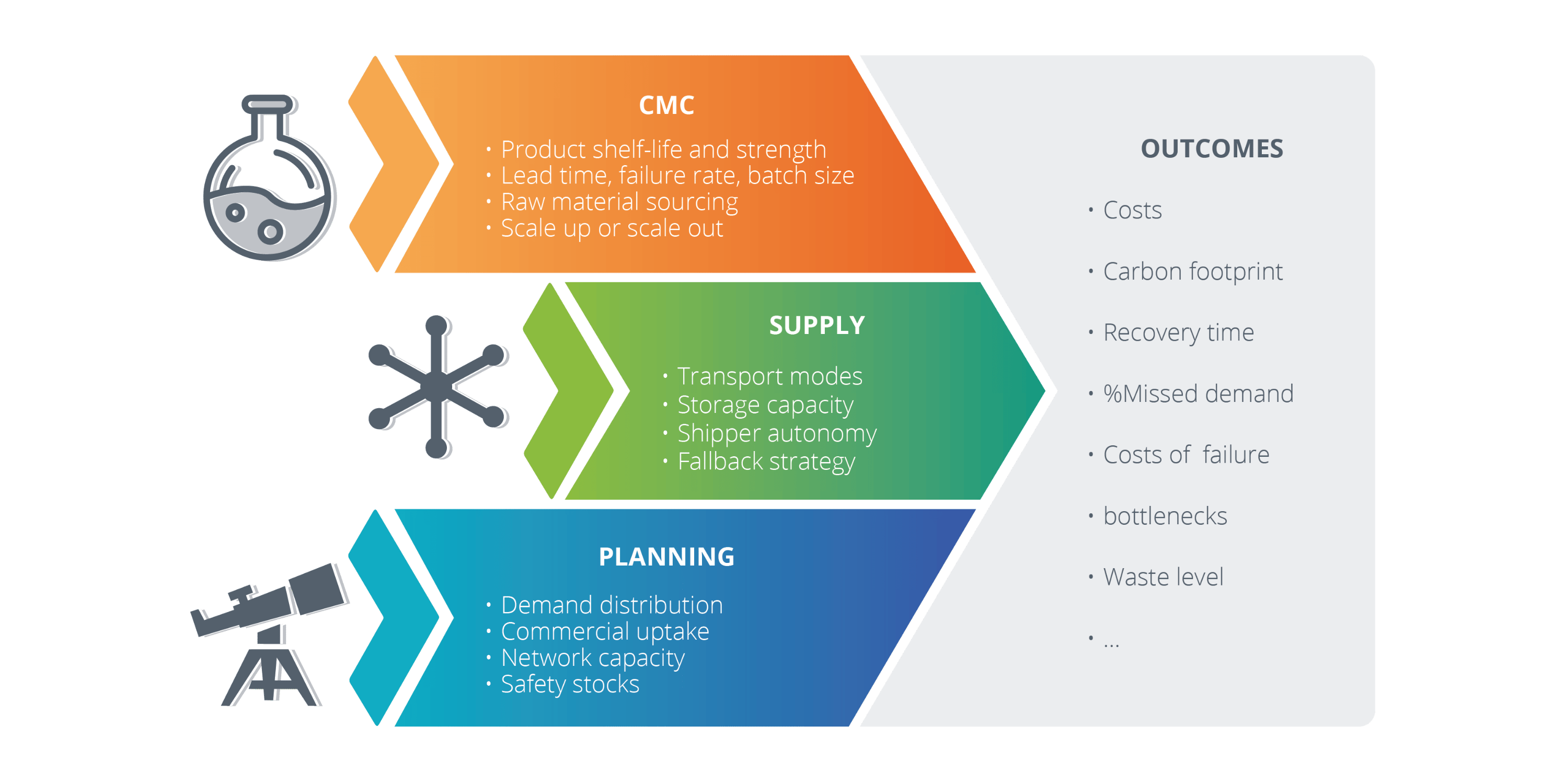
[Exhibit 1] Some of the many inputs that impact the supply chain outcome
Probabilistic simulations
Systems with a lot of uncertainty, like CGT supply chains, are best characterized with input and output statistical distributions, rather than mere averages or supposed best/worst cases. For example, it is not adequate to consider that a manufacturing process yields 50 vials on average when it either delivers 100 vials in half of the cases or completely fails. In particular, doubling the production plan is not adequate in this situation. This would be like flipping a coin twice to guarantee a win.
Using statistical techniques, simulations can predict a comprehensive array of outcomes and their likelihood. This allows for a judicious equilibrium between optimizing supply performance and effectively mitigating associated risks.
For instance, Exhibit 2 shows the quantity of bags released under various scenarios and how it affects the profitability of a therapy:
- With the current process, the highly variable cell culture yield sometimes makes the vial manufacturing cost higher than its selling price.
- In scenario 1, some process feed automation is used, leading to a reduced yield variability and no risk of being unprofitable.
- In scenario 2, the cell culture conditions are modified in a way that leads to a better yield on average but also to much more variability from batch to batch.
Choosing between scenarios 1 and 2 hinges upon the company’s readiness and capability to confront potential losses. An informed decision thus cannot be made based on the sole average.
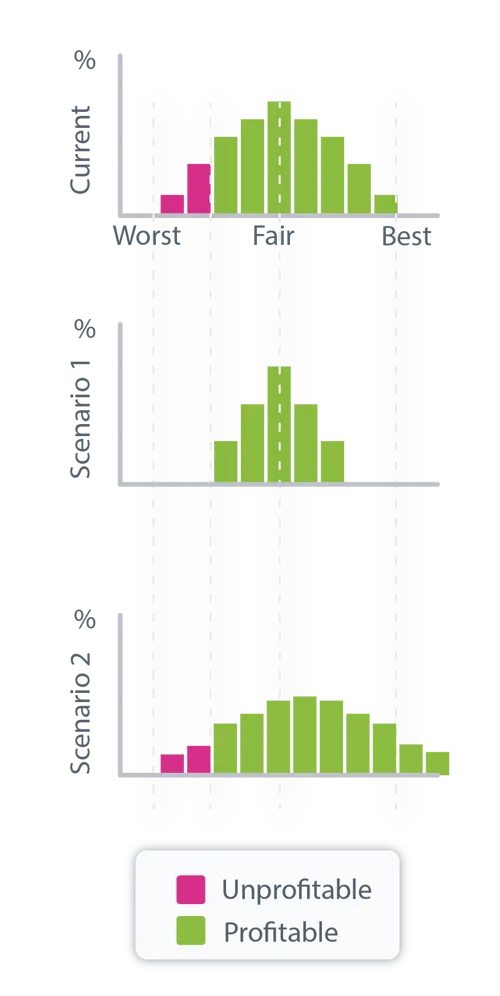
[Exhibit 2] Profitability distribution of a project
Digital twins
A digital twin is essentially an accurate computational replica of the supply chain that simulates its behavior over time under various conditions and provides a safe and cheap environment to proactively assess its performance. The benefits of digital twin technology combined with probabilistic simulations are depicted in Exhibit 3.
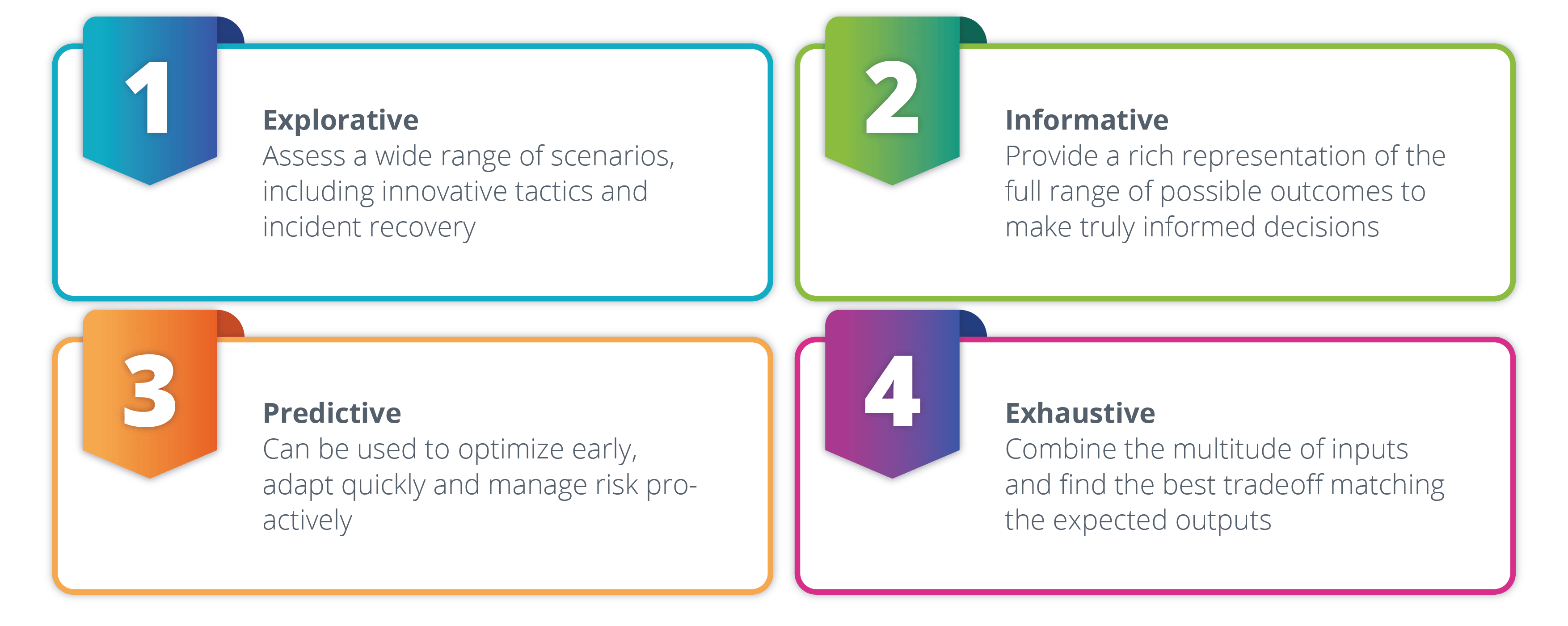
[Exhibit 3] Digital twin probabilistic simulation benefits
These technologies can help cell & gene therapy developers who want to design and operate high-performance, risk-controlled, and scalable supply chains to assess various areas such as:
- Supply chain design: thoroughly analyzing the supply chain to identify any bottlenecks, risks, and improvement opportunities and to foster scalability at a commercial scale
- Operations forecasting: establishing a probabilistic forecast of demand to optimize the execution of operations, inventory levels, and distribution
- Capacity roadmap: building an optimal long-term capacity plan that meets the forecasted ranges of demand, within a set of resource constraints
Conclusion
Digital twin and probabilistic simulation can be powerful tools for optimizing the supply chains of cell and gene therapies, providing supply chain managers with valuable insights into operational performance and helping them make early informed decisions.
In the following article, we’ll show a concrete example of how simulations can be used to assess the manufacturing capacities required for cell therapy.